- +1 (855) 956-3494
- / 9AM - 5PM EST / Monday-Friday
Technical support hours: 8AM – 8PM EDT, Monday – Friday
The era of forensic, reactive surveillance, where security personnel rely on post-event video review to analyze an incident, is rapidly shifting toward proactive, intelligent deterrence. Modern facilities require solutions capable of real-time threat identification and automated mitigation to protect assets effectively. Central to this evolution is the deployment of edge-based AI technologies, such as Uniview's Smart Intrusion Prevention (SIP) and Tri-Guard 2.0 frameworks.
Conventional motion detection algorithms generate a high volume of nuisance alarms, often triggered by environmental factors like foliage movement, precipitation, or wildlife. This lack of precision contributes significantly to operator fatigue and inefficient resource allocation. Uniview’s Smart Intrusion Prevention integrates deep learning analytics directly at the edge to address this vulnerability.
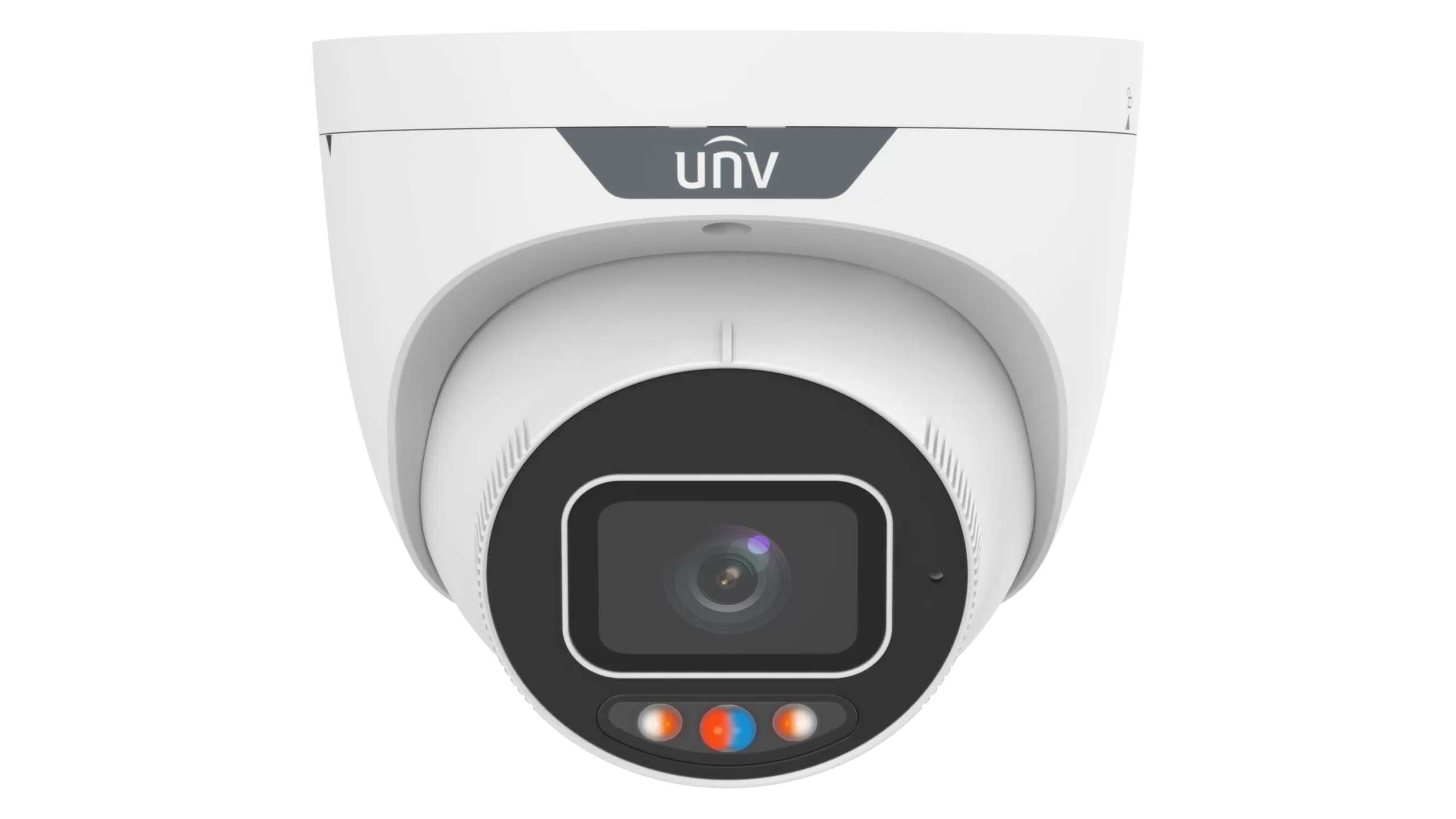
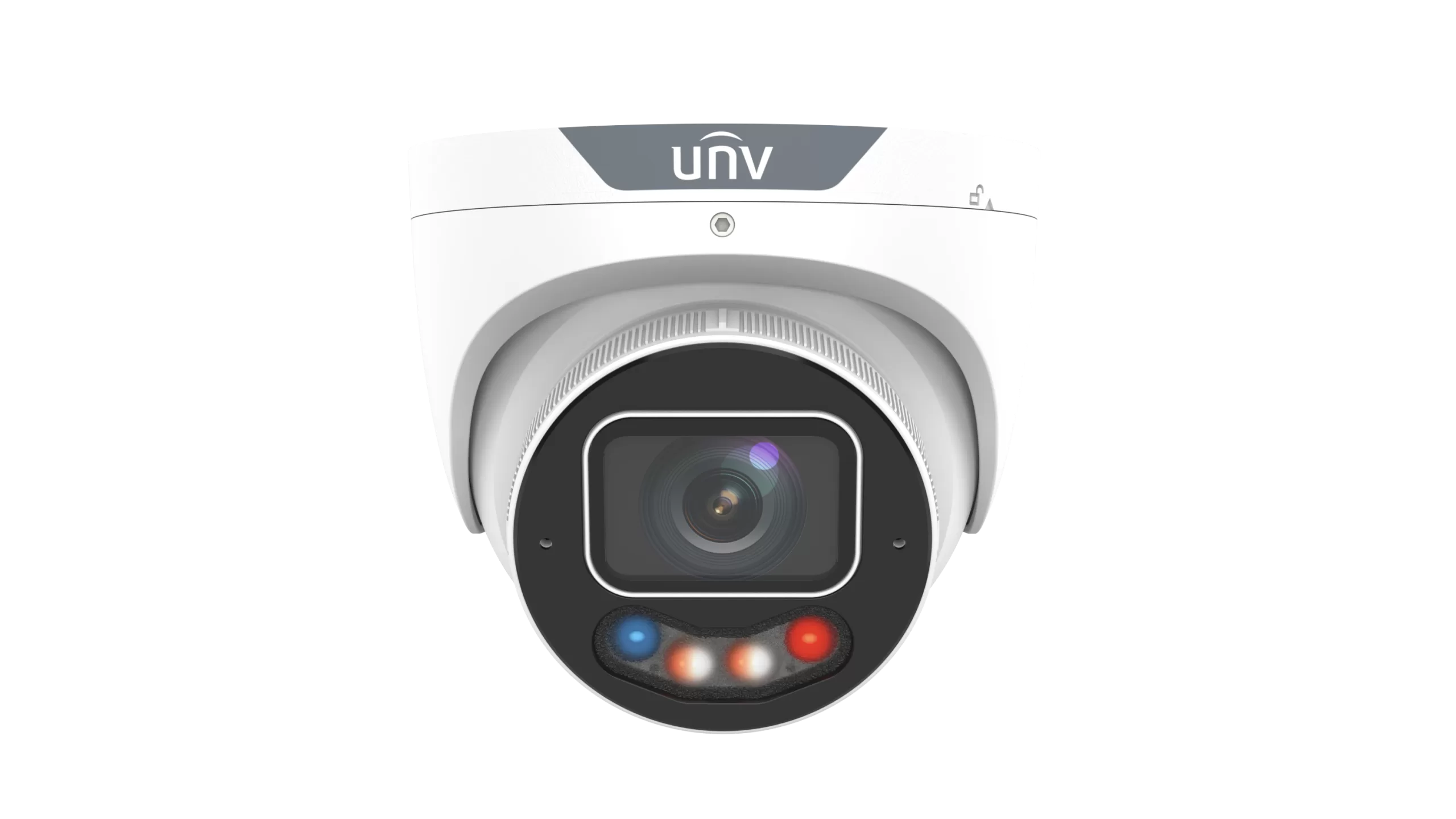
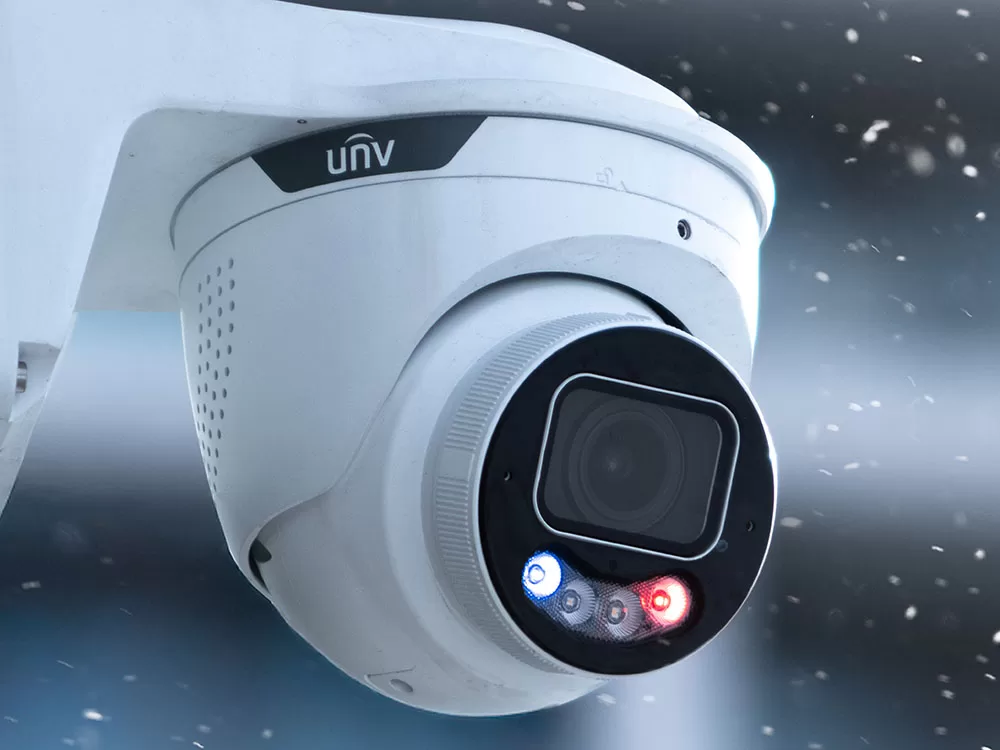
Identifying an unauthorized presence is only the initial phase; rapid, proportionate response is critical for effective threat mitigation. Uniview's Tri-Guard 2.0 cameras leverage edge AI to immediately trigger integrated active deterrence mechanisms, including high-visibility strobes and localized audio warnings, the moment an intrusion is classified.
While localized camera deterrence is effective, expansive industrial or commercial perimeters necessitate a broader acoustic reach. Because the analytical processing occurs in-camera, the infrastructure can be configured to autonomously command supplementary network-attached deterrence devices.
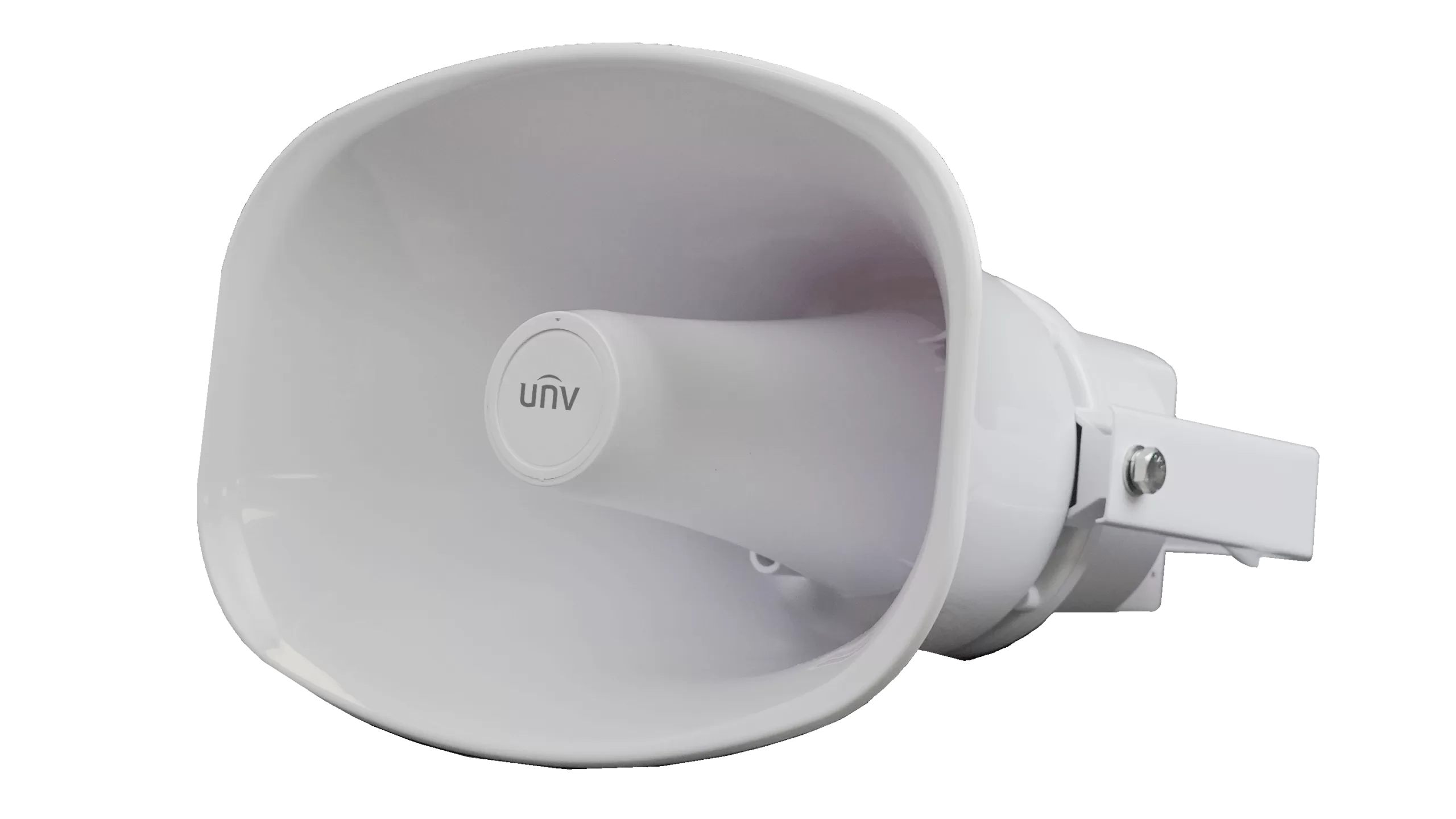
By integrating a SIP-compatible IP endpoint, such as the Uniview Network Horn Speaker, an edge-detected perimeter breach can automatically trigger the broadcast of a high-decibel, customized audio warning across a wide area. This synchronized, automated response protocol ensures that unauthorized individuals are deterred long before they can penetrate critical facility zones.
The efficacy of edge-based AI analytics, particularly when automating decisive actions like active deterrence, is inherently dependent on the quality of the visual data processed. To ensure optimal performance in dynamic or degraded lighting, Uniview utilizes its fifth-generation image signal processing algorithm: Wise-ISP.
Unlike legacy ISP technologies that rely on static configurations or require manual calibration, Wise-ISP continuously analyzes the scene in real-time. It dynamically modulates Wide Dynamic Range (WDR) parameters up to 130 dB, seamlessly balancing extreme contrast variations and fluctuating lighting without the need for manual intervention.

Scan To